Safety in infrastructure

Manage QHSE compliance and meet the SCL requirements for 2026.

You are in good company

SafetyFirst is used by more than 100,000 employees in several industries.
Boskalis logoHeymans logoSweco logo
Essent logoPrezero logoMourik logo

Built for how infrastructure teams actually work

Digital inspections and audits

Log workplace inspections and audits directly from the field. No paperwork, no delays.

Real-time risk management

Maintain a live overview of risks and outstanding actions across all your project locations.

Incident reporting

Report incidents instantly from the worksite. Everyone is informed in real time.

Toolbox meeting documentation

Record and store toolbox meetings with a clear audit trail, always ready for review.

Daily field reporting

Register daily reports straight from the field, reducing the need for after-the-fact paperwork.

Multi-site project oversight

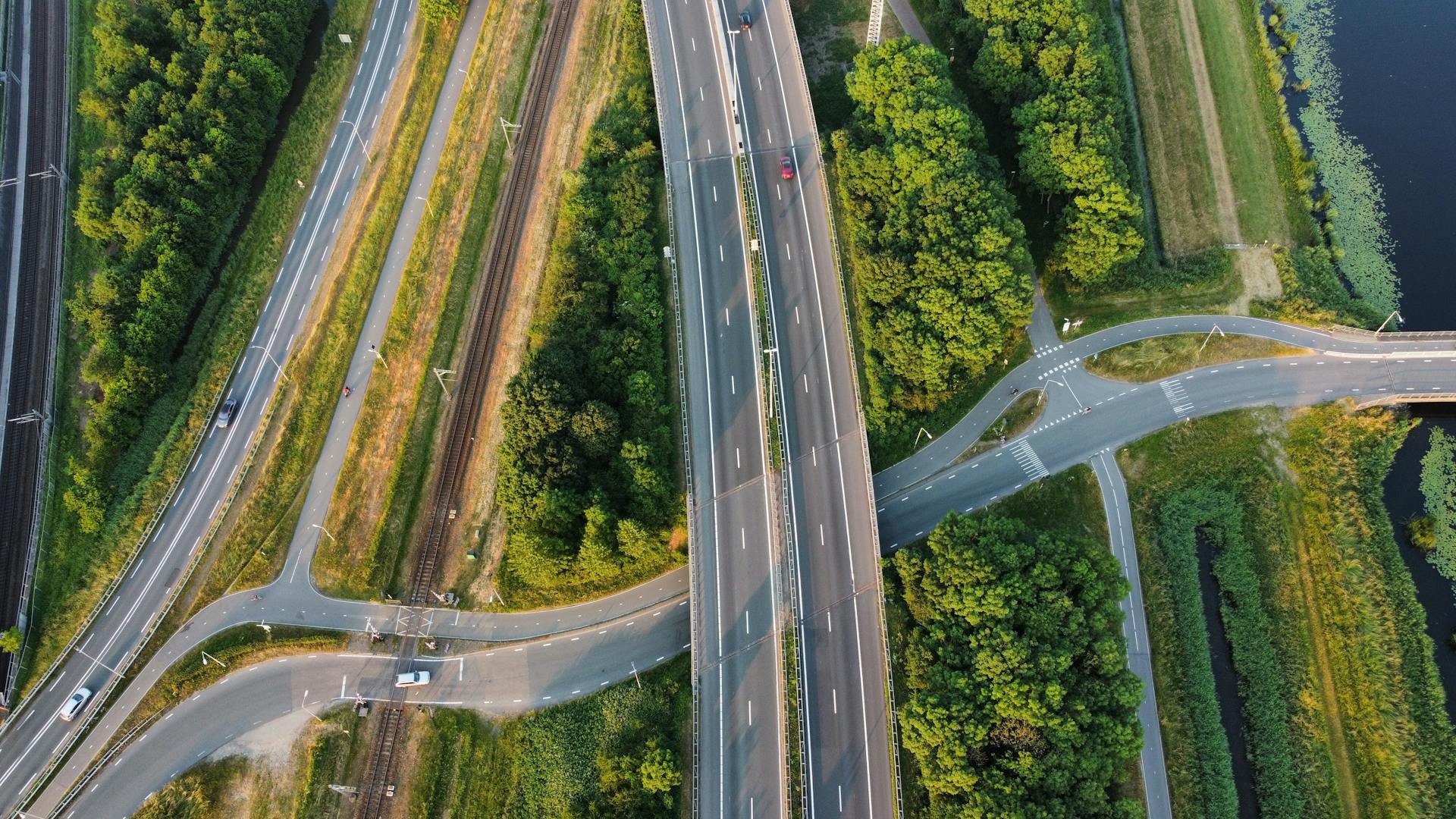
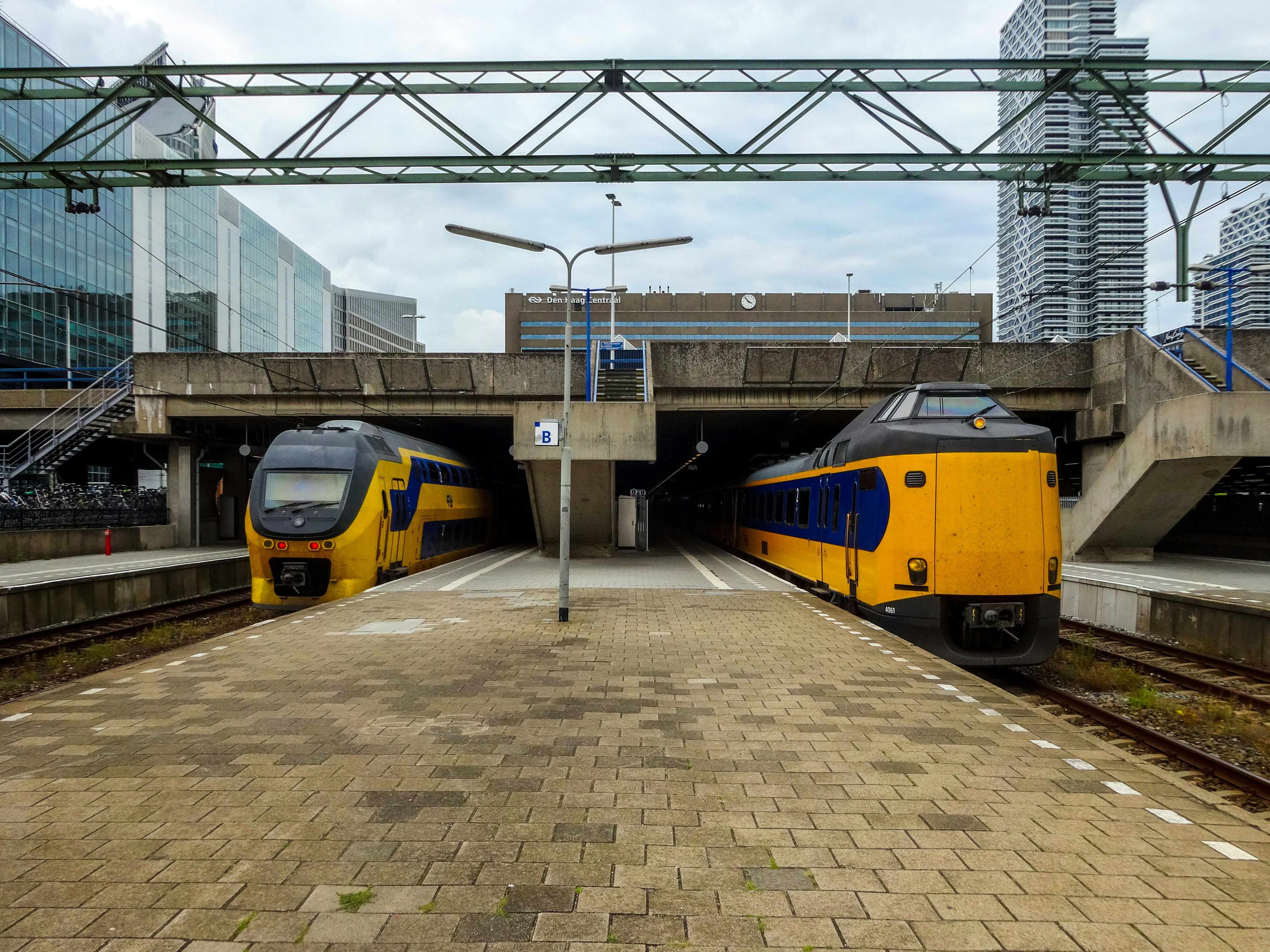
Manage multiple crews, locations, and project phases. Whether you're on a highway, in a residential area, or along a rail corridor.
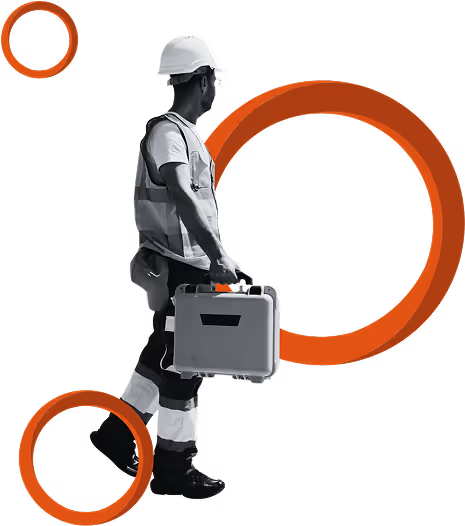
Construction worker in safety gear carrying a toolbox, with orange circular graphic elements.

Safety in infrastructure starts on site

In the infrastructure sector, safe working isn't a checkbox. It's a prerequisite. You work outdoors, with traffic, machinery, underground cables, and changing conditions. Mistakes hit people, planning, and your reputation directly.

On top of that, clients are raising the bar. Initiatives like ViA (safety in tendering) make it clear: demonstrable safety culture now determines whether you win the work. Large national clients are looking at how safety is embedded in your organisation. Show them it is, and you're in a stronger position at tender.
  • delete
  • delete
  • delete
  • delete

Why the traditional approach to safety is no longer sufficient

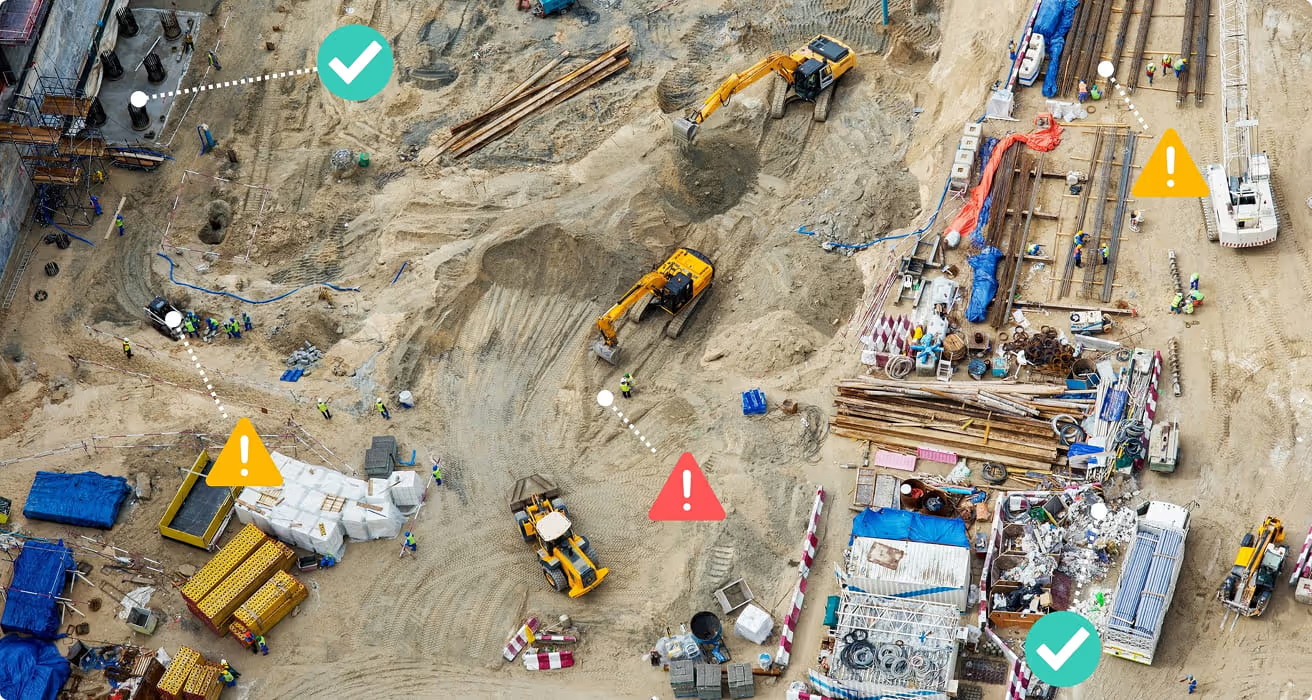
The construction industry is changing rapidly. There is more collaboration in the supply chain, stricter requirements, and a constant focus on planning and costs. On the modern construction site, the classic approach using Excel and paper is increasingly proving to be a bottleneck. The 'old-fashioned' practice leads to fragmented records, manual re-entry of reports, after-the-fact inspections, and incomplete files during audits. The result: a lot of effort and still very little control.
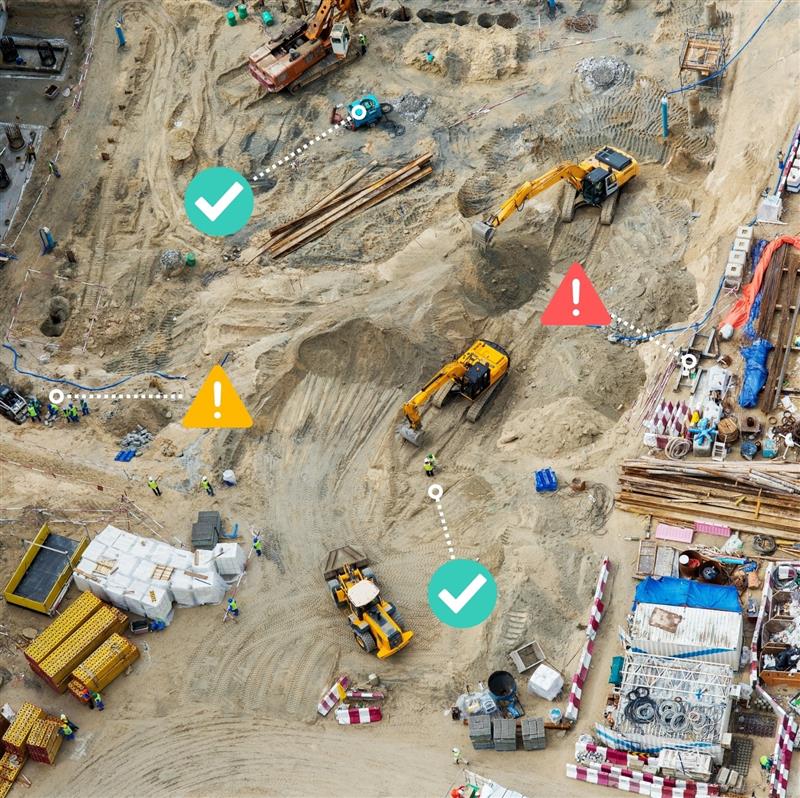
Aerial view of a busy construction site with excavators, workers, building materials, and safety icons indicating check marks and warning alerts.

They create a safe work environment  with SafetyFirst

Real stories from organizations that put their people first.
How Dura Vermeer manages its infrastructure data-driven with SafetyFirst
From scattered spreadsheets to real-time insight across every project. How Dura Vermeer got a grip on safety data.
View project
 How Dura Vermeer manages its infrastructure data-driven with SafetyFirst
How Movares uses SafetyFirst to foster awareness & collaboration
Organising safety without drowning in paperwork. Movares shows what that looks like.
View project
How Movares uses SafetyFirst to foster awareness & collaboration
Hollandse Delta Water Board: taking safety to the next level
40% more safety reports and Level 3 on the Safety Culture Ladder. How Hollandse Delta took ownership of safety.
View project
Hollandse Delta Water Board: taking safety to the next level
How Arcadis Netherlands made safety part of its corporate DNA
Nearly 10,000 safety reports since 2020. How Arcadis made safety part of their company culture.
View project
How Arcadis Netherlands made safety part of its corporate DNA
Dura Vermeer
04
Movares
04
Hollandse Delta Water Board
04
Arcadis
04

Let’s work together

Ready to see how SafetyFirst can work for your organization? We'd love to show you.